




Los Angeles may be known for sunshine, but when Southern California’s rainy season arrives, an aging or damaged roof can quickly become one of the most important parts of your home to worry about.
A roof can appear perfectly fine throughout months of dry weather while small problems remain hidden. Cracked shingles, broken tiles, deteriorated underlayment, damaged flashing, or clogged drainage areas may not show obvious symptoms until a prolonged rainstorm arrives.
Then suddenly, you may notice a water stain on the ceiling, moisture inside the attic, peeling paint, or an active leak.
That is why roof preparation should happen before the rain starts, not after water is already entering your home.
If your roof is aging, has developed recurring leaks, or shows visible deterioration, 2026 may be the right time to schedule an inspection and determine whether repair or replacement makes more sense.
At Concierge Home Remodeling, homeowners throughout Greater Los Angeles can get professional help with roofing and broader home improvement projects.
Los Angeles Roof Replacement Guide for the 2026 Rainy Season
A reliable roof is more than the visible shingles or tiles you see from the street. It is a complete system that includes roofing materials, underlayment, roof decking, flashing, penetrations, gutters, drainage, ventilation, and installation details.
Understanding how these components work together can help you recognize problems before the next Los Angeles rainstorm puts your roof to the test.
Why Rainy Season Reveals Hidden Roof Problems
Months of dry Southern California weather can hide roofing problems.
A small gap around flashing may not create any noticeable problem during summer. A cracked tile may appear harmless. Aging underlayment can remain invisible beneath the roof covering.
Rain changes everything.
Water looks for weak points. Once it reaches an opening, it can move underneath roofing materials and travel before becoming visible inside your home.
That means the ceiling stain you see in one room may not be directly below the location where water entered the roof.
Water intrusion may eventually affect:
- Roof decking
- Insulation
- Ceiling drywall
- Interior walls
- Paint and finishes
- Wood framing
- Electrical areas
- Attic spaces
If you have already noticed leaks or visible roof damage, explore roofing services in Los Angeles before the next major storm.
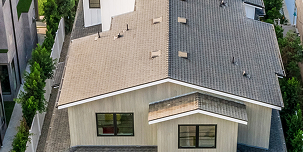
Signs Your Los Angeles Roof May Need Replacement
Not every roof problem means you need a completely new roof.
A relatively new roofing system with one isolated damaged section may only require repair.
However, multiple warning signs across the roof can indicate that replacement deserves serious consideration.
Missing, Cracked, or Curling Shingles
Asphalt shingles experience years of sunlight, heat, wind, and seasonal weather.
Over time, they may crack, curl, loosen, lose granules, or disappear entirely.
One damaged shingle may be repairable.
Widespread deterioration across multiple roof sections can indicate a larger problem.
Broken or Shifted Roof Tiles
Clay and concrete tile roofs are common throughout Southern California, especially on Spanish and Mediterranean-style homes.
Although the tiles themselves can last for many years, they may crack, shift, or break.
More importantly, the waterproofing layer underneath an older tile roof can deteriorate even when many of the visible tiles still look good.
Water Stains on Ceilings
Brown, yellow, or dark water stains on ceilings should never be ignored.
Painting over the stain may hide it temporarily, but it does not solve the source of the moisture.
A roofing professional should identify where the water is entering and determine how much damage has occurred.
Moisture or Odors in the Attic
An accessible attic can reveal roof problems before they become obvious inside the living space.
Look for:
- Damp insulation
- Dark wood staining
- Water marks
- Musty odors
- Visible moisture
- Mold-like growth
These symptoms may indicate an active or previous leak.
Repeated Roofing Repairs
If you are paying for another roof repair every rainy season, continued patching may eventually become less practical than replacement.
The condition of the entire roof should be evaluated rather than repeatedly fixing individual symptoms.
Sagging Roof Areas
Visible sagging deserves immediate professional attention.
Sagging can involve decking, framing, moisture damage, or other structural conditions that should not be diagnosed from appearance alone.
Roof Repair or Roof Replacement: Which Do You Need?
This is one of the most common questions homeowners ask.
The right choice depends on the condition of the roofing system.
Repair May Be Appropriate When
- The roof is relatively young
- Damage is isolated
- Only a few shingles or tiles are affected
- Flashing damage is localized
- The roof deck remains in good condition
- There is a single identifiable leak
Replacement May Be Worth Considering When
- Leaks happen repeatedly
- Damage appears across several roof sections
- Roofing materials are significantly deteriorated
- Underlayment is failing
- Roof decking has moisture damage
- Previous repairs are beginning to fail
- The roof is approaching the end of its useful service life
A professional roof inspection and roofing consultation can help determine the extent of the problem before you commit to a major project.
What Should Be Checked Before the Rain Arrives?
A pre-rain inspection should involve more than simply standing in the yard and looking at the roof.
Several areas deserve attention.
Roofing Materials
Shingles, tiles, metal roofing, or roofing membranes should be inspected for cracking, deterioration, movement, missing sections, and other visible problems.
Flashing
Flashing helps protect some of the roof’s most vulnerable areas.
It is commonly installed around:
- Chimneys
- Skylights
- Valleys
- Walls
- Plumbing vents
- Roof penetrations
Loose, deteriorated, or improperly installed flashing can become a pathway for water.
Gutters and Downspouts
Rainwater needs to move efficiently away from the roof.
Leaves, branches, and debris can block gutters and downspouts, causing water to overflow or collect near roof edges.
Concierge’s roofing services also include gutter and flashing installation, making these components important parts of the overall roofing system.
Roof Valleys
Valleys carry substantial amounts of rainwater because water from multiple roof slopes may be directed into the same channel.
Debris or damaged materials in these locations should be addressed before heavy rain.
Attic Conditions
Roof problems are sometimes easier to identify from underneath.
Check accessible attic spaces for damp insulation, staining, moisture, or unusual odors.
What Happens During a Roof Replacement?
Roof replacement is much more involved than removing old shingles and installing new ones.
A properly planned project typically includes several stages.
Existing Roof Evaluation
The contractor evaluates:
- Roof size
- Roof slope
- Existing roofing material
- Visible deterioration
- Penetrations
- Flashing
- Drainage
- Access conditions
Existing Roofing Removal
Depending on the roofing system and project requirements, existing materials may be removed.
Removing old roofing provides an opportunity to inspect components that were previously hidden.
Roof Deck Inspection
The decking underneath the roofing material should be evaluated.
Sections damaged by moisture or deterioration may require repair or replacement before the new roofing system is installed.
Underlayment and Waterproofing
Roofing materials are not the only layer protecting your home.
Underlayment and related components create an additional moisture barrier underneath the visible roofing.
Flashing Installation
Roof transitions and penetrations should be properly detailed to help prevent water intrusion.
New Roofing Installation
The selected shingles, tile, metal, or other roofing product can then be installed according to the system requirements.
Cleanup and Final Review
The property should be cleaned and the completed roofing work reviewed before the project is considered finished.
For homeowners coordinating roofing with a larger renovation, the complete home remodeling service may help bring multiple improvements into one broader project plan.
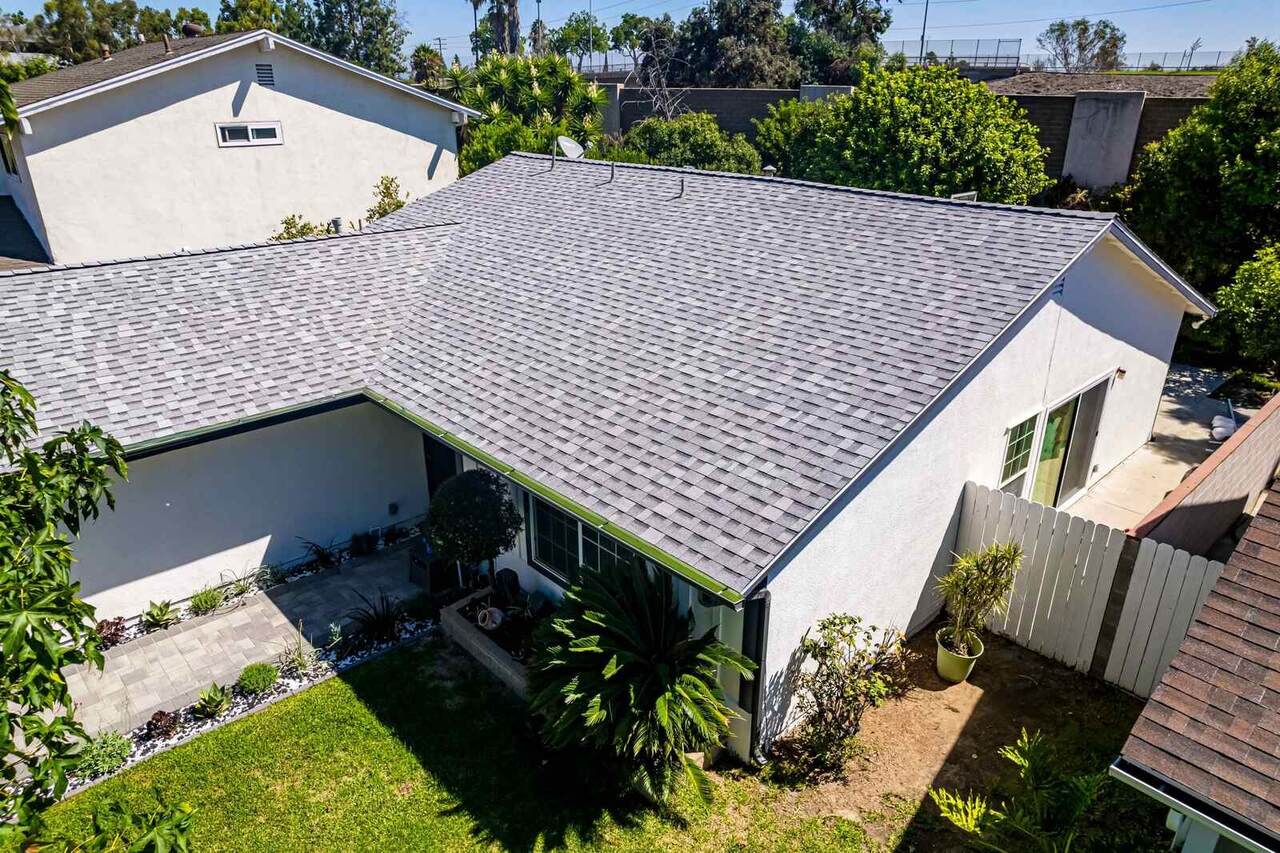
Professional roofing replacement project on a Los Angeles residential home
Choosing Roofing Materials for a Los Angeles Home
Los Angeles includes everything from traditional ranch homes to Mediterranean properties, contemporary houses, hillside homes, and modern architecture.
There is no single roofing material that is best for every property.
The right choice depends on architecture, roof structure, budget, climate exposure, energy goals, and maintenance preferences.
Asphalt Shingles
Asphalt shingles remain a practical roofing option for many residential properties.
They are available in a wide variety of styles and colors and can work with many architectural designs.
However, homeowners should evaluate the entire roofing system rather than choosing solely based on the appearance of the shingles.
Clay and Concrete Tile
Tile roofs are especially common on Spanish and Mediterranean-style Southern California homes.
They offer a distinctive appearance and can provide long service when properly installed and maintained.
Because tile roofing is heavier than many other roofing systems, structural suitability needs to be considered.
Metal Roofing
Metal roofing can provide a clean, modern appearance along with durability.
Performance depends on proper detailing around seams, flashing, fasteners, penetrations, and drainage areas.
Flat and Low-Slope Roofing
Many Los Angeles homes include flat or low-slope sections.
These roof areas need materials specifically suited to low slopes.
Drainage is especially important because water does not leave the roof as quickly as it does on a steeper surface.
What About Cool Roofs in Los Angeles?
Energy performance is another consideration for Southern California homeowners.
A cool roof is designed to reflect more solar energy and absorb less heat than many traditional roofing materials. Los Angeles building requirements can apply to qualifying roofing projects, while certain repairs and smaller roof-replacement areas may fall under exceptions.
Your contractor should confirm which requirements apply to your particular roof and project before materials are ordered.
Homeowners who are making larger efficiency or technology improvements may also want to explore smart home installation and automation as part of a wider renovation strategy.
Do You Need a Permit to Replace a Roof in Los Angeles?
Permits are an important part of project planning.
According to the Los Angeles Department of Building and Safety, a re-roof generally requires a permit, while repairs and patching are listed as an exception.
Permit requirements can vary with the actual scope of work, so homeowners should confirm the requirements that apply to their property.
For a broader explanation of local construction approvals, read the Los Angeles home remodeling permit guide.
Getting permit questions addressed before construction begins can help avoid unnecessary delays later.
How Much Does a Roof Replacement Cost in Los Angeles?
There is no accurate single price that applies to every Los Angeles roof replacement.
Two homes with similar square footage can have very different roofing costs.
Important factors include:
Roof Size
A larger roofing area requires additional material and labor.
Roof Pitch and Complexity
Steep slopes, multiple rooflines, valleys, dormers, and complicated architecture may require more labor.
Roofing Material
Shingle, tile, metal, and specialty roofing systems have different material and installation costs.
Existing Roof Condition
Hidden decking damage or moisture deterioration can affect the final scope.
Accessibility
Equipment access, property layout, landscaping, and roof height can influence labor requirements.
Skylights and Penetrations
Chimneys, skylights, vents, solar equipment, HVAC components, and other penetrations increase detailing requirements.
For broader budgeting information, homeowners can review the 2026 Los Angeles home remodeling cost guide.
You can also review home improvement financing options if you are planning a larger renovation or roofing investment.
Why Waiting for a Roof Leak Can Cost More
A roof leak is often the symptom homeowners notice.
But it may not be the beginning of the problem.
Before water reaches your ceiling, it may have already passed through portions of the roofing system.
Moisture can affect:
- Roof decking
- Insulation
- Framing
- Drywall
- Interior paint
- Ceiling finishes
- Electrical areas
Addressing a vulnerable roof before the rainy season can reduce the risk of turning an exterior roofing issue into a much larger interior repair project.
What If Your Home Has Solar Panels?
Solar panels should be considered when planning roof replacement.
If panels are installed over an aging roof, they may need to be removed temporarily so the roofing work can be completed properly and then reinstalled.
This is why homeowners considering solar should evaluate their roof condition before installation.
Coordinating the two projects can help prevent unnecessary duplicated work.
Planning a Room Addition? Check the Roof at the Same Time
A room addition can change the existing roofline.
It may affect:
- Roof slopes
- Flashing
- Drainage
- Gutters
- Structural loads
- Roofing transitions
If an older roof may need replacement soon and you are also considering an expansion, coordinating the projects could make planning easier.
Read more about room additions in Los Angeles if you are considering adding a bedroom, family room, office, or other living space.
When Is the Best Time to Replace a Roof in Los Angeles?
When possible, known roofing problems should be addressed before prolonged rain begins.
Dry conditions can provide more flexibility for:
- Roof inspection
- Material selection
- Permit preparation
- Scheduling
- Tear-off
- Installation
- Final inspection
However, the actual condition of your roof is more important than waiting for a particular month.
An actively leaking or significantly damaged roof should be professionally evaluated rather than postponed simply for convenience.
Homeowners planning roofing alongside other renovation work may also find the Los Angeles remodeling timeline guide helpful for understanding how planning, permits, materials, and construction can affect scheduling.
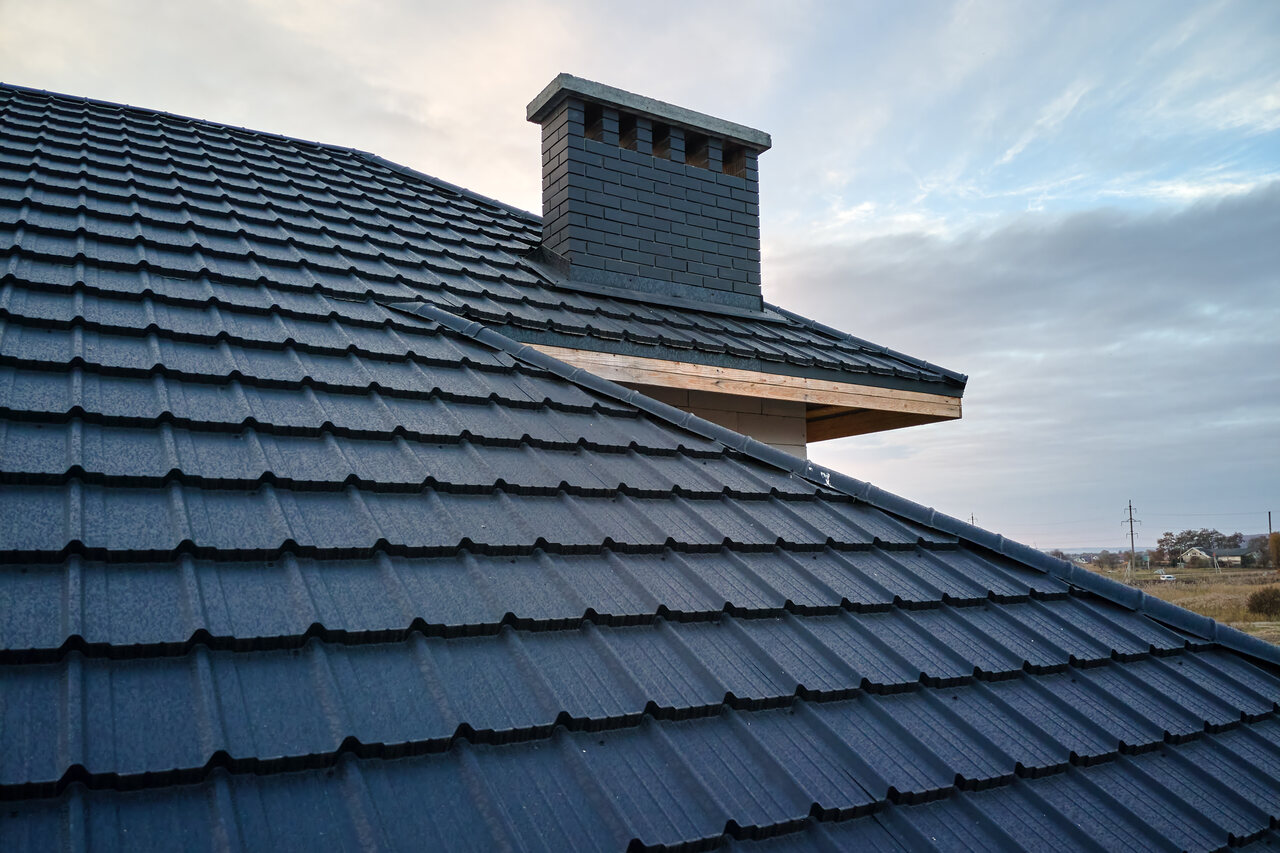
Alt text: Newly replaced roof protecting a Los Angeles home before the rainy season
How to Choose a Roofing Contractor in Los Angeles
Roof material matters, but installation quality matters too.
A high-quality roofing product cannot compensate for poorly installed flashing, incorrect waterproofing, or inadequate roof detailing.
Before choosing a contractor, consider the following.
Verify Licensing and Insurance
Make sure the contractor is appropriately licensed and insured for the work being performed.
Ask for a Detailed Scope
A roofing proposal should clearly explain what is included.
That may include:
- Removal
- Roofing materials
- Underlayment
- Flashing
- Decking
- Gutters
- Ventilation
- Disposal
- Permits
- Cleanup
- Warranty information
Discuss Hidden Damage
Some roof conditions cannot be confirmed until existing materials are removed.
Ask how damaged decking or other unexpected conditions will be documented and priced.
Understand the Project Process
Communication can be just as important as construction quality during a major home project.
The Concierge Experience explains how Concierge Home Remodeling approaches consultation, materials, project oversight, permit support, communication, and quality control.
2026 Pre-Rain Roof Checklist for Los Angeles Homeowners
Before Southern California’s next rainy period, use this checklist to review your property.
Exterior Roof
- Look for missing shingles
- Look for cracked or broken tiles
- Check visible roof edges
- Look for loose roofing material
- Check valleys for debris
- Inspect visible flashing
- Look around skylights and vents
- Check chimney areas
Gutters and Drainage
- Remove debris from gutters
- Inspect downspouts
- Look for loose gutter sections
- Confirm that water can move away from the home
- Check areas where water may collect
Interior
- Look for ceiling discoloration
- Check accessible attic areas
- Inspect insulation for moisture
- Watch for musty odors
- Look for old water stains
Project Planning
- Determine the approximate age of the roof
- Review previous repair history
- Identify recurring leaks
- Schedule an inspection when needed
- Ask whether repair or replacement makes more sense
- Discuss material options
- Confirm permit requirements
- Plan ahead before heavy rainfall
Should You Replace Your Roof Before Rainy Season?
Rain alone is not a reason to replace an otherwise healthy roof.
The decision should be based on the actual condition of the roofing system.
However, if your roof has widespread deterioration, repeated leaks, damaged waterproofing, decking issues, or multiple failed repairs, addressing the problem before prolonged rainfall can help protect the rest of your home.
Your roof protects far more than your attic.
It helps protect:
- Walls
- Ceilings
- Insulation
- Framing
- Electrical systems
- Furniture
- Interior finishes
- Personal belongings
Preventive action can often be easier to manage than emergency repairs during a storm.
Prepare Your Los Angeles Roof Before the Next Storm
A roof does not need to be actively leaking today to have a developing problem.
Cracked materials, deteriorated flashing, aging waterproofing, blocked drainage, and hidden decking damage can remain unnoticed during months of dry weather.
The next major rainfall may simply expose what was already happening.
If your roof remains in good condition, timely maintenance and localized repairs may help extend its service life.
If deterioration is widespread, replacement may provide a more dependable long-term solution.
The key is knowing the condition of your roof before the weather makes the decision for you.
Concierge Home Remodeling provides professional roofing services including roof replacement, repairs, new roof installation, section replacement, energy-efficient roofing, metal roofing, tile roofing, and gutter and flashing work.
If you are concerned about your roof or planning a roofing project before the rainy season, contact Concierge Home Remodeling to discuss your property and request an estimate.