



Historic homes have a special charm that newer properties often cannot reproduce. From distinctive architectural details and original woodwork to decorative windows and timeless exterior finishes, older homes tell a story about the people, craftsmanship, and design traditions of their time. However, maintaining these unique features while improving comfort, safety, and functionality requires thoughtful planning. If you are searching for historic home renovation specialists in Upland, CA, choosing the right renovation approach can help you protect your home’s character while adapting it to modern living.
Upland, California, features established residential neighborhoods and properties with a variety of architectural styles. Consequently, homeowners may encounter original construction materials, aging building systems, outdated layouts, and features that require specialized attention. Although these characteristics create lasting appeal, they can also introduce challenges during renovation.
For example, an older kitchen may lack sufficient storage, while a traditional bathroom may need updated plumbing and ventilation. Similarly, aging roofing materials, deteriorated exterior finishes, or inefficient windows may affect the home’s overall performance. Nevertheless, these issues do not automatically mean that a historic home needs a complete transformation.
Instead, a carefully designed renovation can preserve important architectural features while improving everyday convenience. Concierge Home Remodeling helps homeowners explore remodeling possibilities through its residential improvement services. By combining thoughtful design, suitable materials, and a clear project plan, homeowners can work toward a result that respects the property’s original character.
Why Historic Home Renovation Requires a Specialized Approach
Renovating an older home is different from remodeling a recently built property. In many cases, historic and older houses contain materials, construction methods, and architectural details that require closer inspection before work begins.
For instance, original hardwood floors may have considerable character but need careful restoration. Likewise, decorative molding, built-in cabinetry, plaster walls, and older windows may be difficult or expensive to replace with identical features.
Therefore, the first step should be understanding the home’s existing condition rather than immediately removing outdated elements.
A thoughtful renovation plan considers several important factors:
- Architectural preservation: Identify distinctive features that contribute to the home’s original appearance.
- Structural condition: Evaluate foundations, framing, roofing, and other components before beginning major work.
- Building system upgrades: Determine whether electrical, plumbing, heating, cooling, or ventilation systems require improvement.
- Material compatibility: Select replacement materials that complement existing construction and perform appropriately.
- Modern functionality: Improve storage, lighting, accessibility, and room layouts without unnecessarily compromising architectural character.
- Regulatory requirements: Determine whether the property has historic designation or is subject to preservation guidelines, permits, or other restrictions.
Furthermore, older homes can contain concealed problems that become visible only after renovation begins. Water damage behind walls, deteriorated framing, previous unpermitted alterations, and outdated wiring are possible examples.
As a result, inspections and contingency planning are essential. By identifying potential concerns early, homeowners can make better decisions about priorities, costs, and project schedules.
Understanding Historic Architecture in Upland, CA
Every older home has its own history, layout, and construction details. Consequently, renovation decisions should reflect the individual property rather than follow a universal design formula.
Some homes feature traditional exterior detailing, while others may have Craftsman-inspired woodwork, Spanish-influenced finishes, mid-century design elements, or other architectural characteristics. However, the actual style and significance of any particular property should be assessed individually.
For example, a home with original wood trim may benefit from careful refinishing instead of complete replacement. Similarly, a property with distinctive exterior materials may need compatible repairs to maintain a consistent appearance.
Before starting a major renovation, homeowners should determine whether their property is formally designated as historic or falls within a locally regulated preservation area. Not every older house has historic status, and the rules that apply can vary according to its location and designation.
Additionally, consult the appropriate City of Upland planning or building department when preservation restrictions or permit requirements may affect the project.
This early research can prevent unnecessary delays and help ensure that the renovation respects any applicable requirements.

Benefits of Hiring Historic Home Renovation Specialists
Historic home renovation requires more than updating finishes. Instead, it involves balancing preservation, practical improvements, construction requirements, and long-term maintenance.
Working with appropriately experienced renovation professionals can help homeowners approach these responsibilities systematically.
Preserve Original Architectural Features
Original details often contribute significantly to an older home’s identity. For example, decorative staircases, wood-framed windows, built-in shelves, ceiling beams, and traditional doors may provide visual character that modern replacements cannot fully reproduce.
Therefore, evaluate whether these features can be repaired or restored before choosing replacement materials.
Moreover, retaining suitable original components may reduce unnecessary demolition. Nevertheless, restoration is not always practical, especially when a component has extensive deterioration or creates a safety concern.
The best decision depends on the condition, significance, and feasibility of preserving the feature.
Improve Comfort and Everyday Functionality
Older homes sometimes have smaller kitchens, limited storage, or room layouts that do not match modern household needs. Consequently, homeowners may want to improve functionality without removing the architectural details that make the property distinctive.
For instance, a kitchen renovation can introduce better storage and updated work surfaces while maintaining compatible cabinetry styles. Similarly, a bathroom renovation can improve ventilation, lighting, and fixture placement.
These changes can make everyday activities more convenient while preserving the overall character of the house.
Address Aging Building Systems
A visually attractive home still needs reliable underlying systems. Therefore, renovation planning should include an assessment of electrical wiring, plumbing, roofing, ventilation, and other essential components where appropriate.
Additionally, improving these systems may help prevent future damage and reduce the likelihood of repeated repairs.
However, upgrades should be based on actual conditions and applicable requirements rather than assumptions about every older property.
Make More Informed Long-Term Investments
Historic renovations can involve specialized labor and materials. As a result, homeowners should prioritize improvements that protect the property and support its intended use.
Addressing active water intrusion, structural deterioration, or unsafe systems may be more urgent than replacing decorative finishes.
Furthermore, maintaining original features where practical can support the home’s architectural appeal. Although renovation may improve marketability, no particular increase in property value is guaranteed.
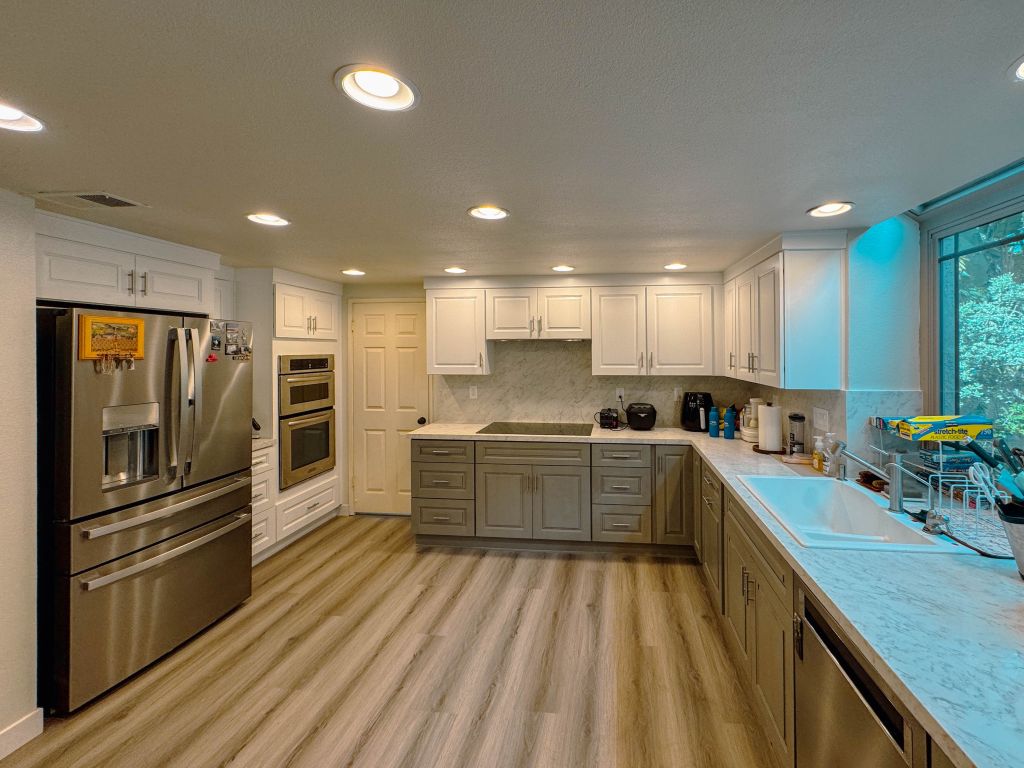
Historic Kitchen Remodeling That Combines Tradition and Modern Convenience
The kitchen is one of the most frequently used spaces in a home. However, older kitchens may have limited counter space, inefficient storage, outdated appliances, or inadequate lighting.
Fortunately, these limitations can often be addressed through careful remodeling.
A successful historic kitchen renovation should begin with the existing layout and architectural details. For example, homeowners may preserve original cabinet doors, restore suitable woodwork, or choose new cabinetry that complements the home’s period.
At the same time, modern improvements can make the space more practical.
Consider the following possibilities:
- Add organized drawers and storage solutions.
- Improve task lighting around work surfaces.
- Upgrade countertops with materials that complement the house.
- Introduce modern appliances where the layout and utilities permit.
- Improve ventilation and electrical capacity when necessary.
- Select flooring that suits the home’s style and daily use.
Moreover, changes to the kitchen layout should account for plumbing, electrical systems, structural walls, and ventilation requirements.
Homeowners considering these improvements can explore Concierge Home Remodeling’s kitchen remodeling services.
Rather than creating a kitchen that feels disconnected from the rest of the property, aim for a balanced design that combines contemporary convenience with compatible architectural finishes.
Bathroom Renovation for Older Homes
Bathrooms often require particular attention during historic home renovations because plumbing fixtures, waterproofing methods, and ventilation systems may have changed significantly since the home was built.
For instance, older bathrooms may have worn tile, aging plumbing connections, insufficient ventilation, or layouts that make daily use inconvenient.
However, a complete redesign is not always necessary. In some cases, replacing selected fixtures and repairing damaged surfaces can produce meaningful improvements.
A bathroom renovation may include:
- Updating sinks, faucets, and other fixtures.
- Improving ventilation to help control moisture.
- Repairing or replacing damaged tile and grout.
- Improving storage with appropriately sized vanities.
- Upgrading lighting for better visibility.
- Reviewing waterproofing and plumbing conditions before installation.
Nevertheless, homeowners should carefully evaluate original features before removing them. Traditional tile, vintage fixtures, or distinctive finishes may contribute to the home’s character.
Additionally, water damage should be addressed before installing new materials. Covering damaged surfaces without correcting the underlying problem can lead to further deterioration.
For more information about bathroom improvement options, visit Concierge Home Remodeling’s bathroom remodeling services.
Frequently Asked Questions About Historic Home Renovation in Upland, CA
How much does historic home renovation cost in Upland, CA?
The cost depends on the home’s size, existing condition, project scope, material selection, labor requirements, and any preservation restrictions.
For example, restoring original woodwork may involve different expenses than replacing an entire roof or updating old plumbing. Similarly, concealed damage can increase costs after demolition begins.
Therefore, request a detailed estimate that separates labor, materials, demolition, repairs, permits, and other applicable expenses. Additionally, maintain a contingency budget for unexpected conditions.
Do I need a permit to renovate an older home in Upland?
Permit requirements depend on the type and extent of work. Structural changes, electrical upgrades, plumbing alterations, and other regulated activities may require permits or inspections.
Furthermore, a property with historic designation may be subject to additional review requirements.
Before beginning work, consult the relevant City of Upland department and confirm which approvals apply to your particular project.
Can I modernize a historic home without losing its original character?
Yes. A carefully planned renovation can introduce modern functionality while retaining suitable architectural features.
For instance, you may upgrade kitchen appliances, improve bathroom ventilation, and add better storage while preserving original trim, doors, or flooring where practical.
However, every property presents different opportunities and limitations. Therefore, assess original materials and design features before finalizing the renovation plan.
Should original windows be replaced during historic renovation?
Not necessarily. If original windows remain structurally sound, repair and weather-sealing improvements may be worth considering before replacement.
However, severely damaged windows or those that cannot meet essential performance needs may require a different solution.
Additionally, designated historic properties may have specific requirements regarding window changes. Check the applicable rules before proceeding.
How long does a historic home renovation take?
The timeline depends on the number of rooms involved, the amount of repair work, material availability, permit requirements, and the complexity of the project.
A limited interior renovation may take substantially less time than a project involving structural changes, roofing, multiple building systems, or extensive restoration.
Consequently, develop a project schedule with realistic milestones and allow flexibility for unexpected discoveries.
Is historic home renovation worth the investment?
It can be worthwhile for homeowners who want to maintain architectural character, improve functionality, and continue living in a property they value.
Nevertheless, the financial outcome depends on the home’s condition, renovation costs, local market conditions, and the improvements selected.
Therefore, establish clear priorities and evaluate both immediate needs and long-term maintenance before making major financial commitments.
Roofing Improvements for Historic Homes
The roof protects the entire home from weather exposure. Consequently, roofing condition should be an important part of any comprehensive renovation assessment.
Older roofing systems may experience damaged shingles, deteriorated flashing, recurring leaks, or inadequate drainage. Furthermore, water entering through the roof can damage insulation, ceilings, framing, and interior finishes.
For this reason, investigate leaks promptly rather than waiting until visible interior damage becomes extensive.
During a renovation assessment, consider the following:
- Inspect visible roofing materials for deterioration.
- Check flashing around chimneys, vents, and roof intersections.
- Review gutters and drainage arrangements.
- Investigate signs of moisture damage in the attic and ceilings.
- Determine whether repairs or complete replacement are appropriate.
- Select compatible roofing materials when appearance or preservation rules require them.
However, the best roofing solution depends on the existing system, roof structure, budget, and applicable regulations.
If roofing improvements form part of your renovation, explore roofing services from Concierge Home Remodeling.
Moreover, coordinate roofing work with other exterior improvements whenever practical. This approach can help organize construction activities and reduce the likelihood of disturbing newly completed finishes.
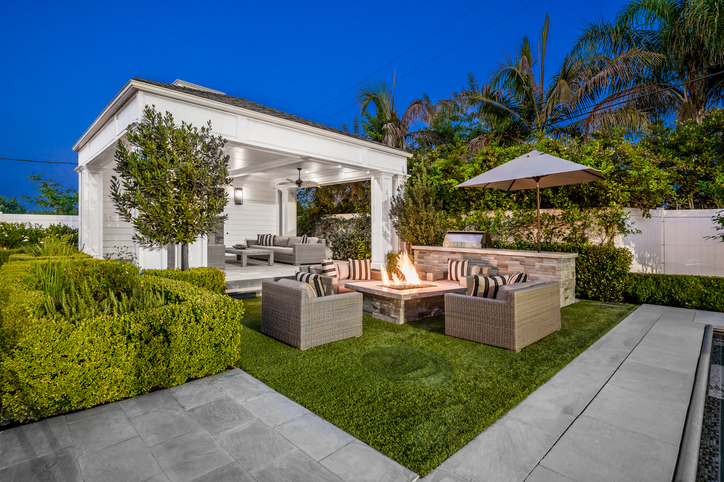
Improve Outdoor Living While Respecting Your Home’s Character
A historic home renovation does not have to stop at the interior. Outdoor spaces can also benefit from thoughtful improvements that complement the property’s architectural style.
For example, an aging walkway, uneven patio, or poorly organized backyard may reduce the usability of an otherwise attractive property.
Nevertheless, outdoor improvements should reflect the home’s proportions, materials, and landscaping rather than compete with its appearance.
Hardscape Improvements
Hardscaping may include patios, walkways, retaining walls, and other constructed outdoor features.
When planned appropriately, these elements can create practical areas for relaxing, entertaining, and moving around the property. Additionally, compatible paving materials and understated designs can complement traditional architecture.
Before construction, assess drainage, grading, accessibility, and any applicable permit requirements.
Homeowners can explore hardscape design and construction services when planning outdoor improvements.
Accessory Dwelling Units and Garage Conversions
Some homeowners also consider adding living space through an accessory dwelling unit (ADU) or converting an existing garage.
These projects may provide additional flexibility for household members, guests, or other permitted uses. However, they can involve more extensive planning than a standard interior renovation.
For example, an ADU may require consideration of zoning, setbacks, utilities, fire safety, and building permits. Similarly, a garage conversion may involve insulation, ventilation, structural changes, and requirements for legal habitable space.
Moreover, adding a new structure or changing a garage’s appearance can affect the historic character of the property.
Therefore, verify local requirements and assess how the proposed addition will relate to the original home before proceeding.
Explore ADU construction options or garage conversion services to learn more about these types of residential improvements.

How to Choose Historic Home Renovation Specialists in Upland, CA
Selecting a renovation professional requires careful evaluation, especially when the property contains original materials or distinctive architectural details.
Although cost matters, the lowest estimate may not provide the best overall value if the scope of work is unclear or important repairs are excluded.
Instead, compare contractors based on their experience, communication, planning process, and ability to address your specific renovation requirements.
Evaluate Relevant Experience
Ask whether the contractor has experience with older homes and projects involving preservation-sensitive materials.
For instance, restoring woodwork, repairing plaster, coordinating roofing work, and upgrading building systems may require different skills.
Additionally, request examples of comparable projects when available. These examples can help you understand the contractor’s approach to protecting existing features and resolving construction challenges.
Request a Detailed Written Estimate
A useful estimate should explain the planned work, material allowances, labor, removal, preparation, and other expected expenses.
Furthermore, ask how the contractor handles concealed damage, change orders, delays, and additional costs.
Clear documentation helps prevent misunderstandings and allows you to compare proposals more accurately.
Confirm Licensing, Insurance, and Permit Responsibilities
Before hiring a contractor, verify the relevant California contractor licensing requirements and insurance coverage. Also, establish who will obtain permits and coordinate required inspections.
For historic properties, confirm whether additional approvals apply before changing protected features.
These checks can help you make a more informed decision and avoid unnecessary complications.
Prioritize Communication and Planning
Historic renovations can involve decisions that are difficult to make before work begins. Consequently, clear communication is particularly important.
A well-organized contractor should explain the proposed approach, identify known concerns, document significant decisions, and discuss how unexpected conditions may affect the project.
Moreover, ask how original features will be protected during demolition and construction.
Common Mistakes to Avoid During Historic Home Renovation
Even a well-intentioned renovation can create problems if homeowners overlook important details.
Removing original features too quickly: Distinctive woodwork, windows, doors, and flooring may be repairable. Therefore, evaluate their condition before deciding to replace them.
Ignoring hidden damage: Cosmetic upgrades will not solve underlying water intrusion, structural deterioration, or faulty building systems. Address these concerns before finishing the affected areas.
Choosing incompatible materials: Modern materials may differ from original components in appearance, moisture behavior, and installation requirements. Select products that suit the existing construction.
Underestimating the budget: Older homes can reveal unexpected conditions during demolition. As a result, include an appropriate contingency allowance.
Overlooking preservation requirements: Historic designation or local regulations may restrict certain changes. Verify requirements before ordering materials or beginning construction.
Making too many design changes at once: A large number of simultaneous changes can complicate scheduling and increase costs. Instead, prioritize essential repairs and coordinate cosmetic improvements with the overall project plan.
Failing to consider long-term maintenance: A renovation should improve the home’s ongoing usability, not simply its appearance. Therefore, evaluate cleaning, upkeep, durability, and future repair requirements when selecting materials.
By avoiding these mistakes, homeowners can approach renovation with clearer expectations and a more practical strategy.
Planning Your Historic Home Renovation Project
A successful renovation begins with a clear plan. First, identify the issues that need immediate attention, such as roof leaks, moisture damage, unsafe electrical components, or structural concerns.
Next, determine which architectural features you want to preserve and which areas require modernization. This distinction helps you allocate your budget according to the home’s needs.
Then, establish a realistic schedule and confirm whether permits or specialized assessments are necessary.
A useful planning checklist includes:
| Planning priority | Action to take | Expected benefit |
| Property assessment | Inspect existing materials and building systems | Identifies major concerns |
| Preservation planning | Document important architectural features | Helps protect original character |
| Budget development | Estimate costs and contingency funds | Supports informed spending |
| Design selection | Choose compatible finishes and materials | Creates a cohesive result |
| Permit review | Confirm applicable approvals | Reduces regulatory delays |
| Contractor selection | Compare qualifications and written proposals | Improves project clarity |
| Final inspection | Review completed work and outstanding items | Helps confirm project completion |
Furthermore, keep records of permits, product specifications, warranties, invoices, and maintenance recommendations. These documents can be useful when you need future repairs or decide to renovate another part of the property.
Why Consider Concierge Home Remodeling for Your Renovation?
Historic home renovation requires a thoughtful balance between preserving existing character and creating a more functional living environment. Therefore, homeowners should look for remodeling services that align with their project’s actual scope.
Concierge Home Remodeling offers information about residential improvements, including kitchen remodeling, bathroom remodeling, roofing, hardscaping, ADUs, and garage conversions.
For example, homeowners planning an interior renovation can explore kitchen remodeling solutions and bathroom remodeling services when considering updates to essential living spaces.
Likewise, those assessing the exterior can review roofing options as part of a broader maintenance and renovation plan.
Before selecting a contractor, discuss your property’s age, existing condition, architectural features, project priorities, and desired outcome. Additionally, confirm the company’s current service availability in Upland, relevant experience with historic properties, and qualifications for the specific work required.
These conversations can help you determine whether the company’s offerings are suitable for your renovation goals.
Preserve Your Home’s Character With Thoughtful Renovation
Historic homes offer architectural character, distinctive details, and a sense of continuity that many homeowners value. However, maintaining these qualities requires more than simply keeping the original exterior appearance.
A successful renovation also considers building safety, functional layouts, moisture protection, efficient maintenance, and appropriate material selection.
Moreover, prioritizing essential repairs before cosmetic improvements can help protect the property and support better long-term planning.
If you are searching for historic home renovation specialists in Upland, CA, begin with a careful assessment of your home’s condition and identify the improvements that matter most. Then, explore restoration possibilities, confirm applicable preservation requirements, and compare qualified contractors before committing to major work.
To discuss your remodeling goals, visit Concierge Home Remodeling’s contact page.
With a clear plan, compatible materials, and careful attention to architectural details, you can work toward a home that respects its history while supporting the comfort and functionality of modern living.