



Historic Home Renovation Specialists in Upland, CA: Preserve Character While Modernizing Your Home
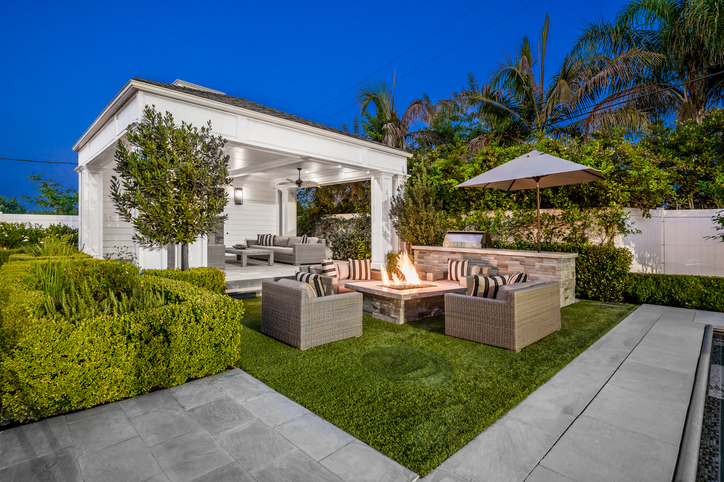
Historic homes have a special charm that newer properties often cannot reproduce. From distinctive architectural details and original woodwork to decorative windows and timeless exterior finishes, older homes tell a story about the people, craftsmanship, and design traditions of their time. However, maintaining these unique features while improving comfort, safety, and functionality requires thoughtful planning. If you are searching for historic home renovation specialists in Upland, CA, choosing the right renovation approach can help you protect your home’s character while adapting it to modern living. Upland, California, features established residential neighborhoods and properties with a variety of architectural styles. Consequently, homeowners may encounter original construction materials, aging building systems, outdated layouts, and features that require specialized attention. Although these characteristics create lasting appeal, they can also introduce challenges during renovation. For example, an older kitchen may lack sufficient storage, while a traditional bathroom may need updated plumbing and ventilation. Similarly, aging roofing materials, deteriorated exterior finishes, or inefficient windows may affect the home’s overall performance. Nevertheless, these issues do not automatically mean that a historic home needs a complete transformation. Instead, a carefully designed renovation can preserve important architectural features while improving everyday convenience. Concierge Home Remodeling helps homeowners explore remodeling possibilities through its residential improvement services. By combining thoughtful design, suitable materials, and a clear project plan, homeowners can work toward a result that respects the property’s original character. Why Historic Home Renovation Requires a Specialized Approach Renovating an older home is different from remodeling a recently built property. In many cases, historic and older houses contain materials, construction methods, and architectural details that require closer inspection before work begins. For instance, original hardwood floors may have considerable character but need careful restoration. Likewise, decorative molding, built-in cabinetry, plaster walls, and older windows may be difficult or expensive to replace with identical features. Therefore, the first step should be understanding the home’s existing condition rather than immediately removing outdated elements. A thoughtful renovation plan considers several important factors: Furthermore, older homes can contain concealed problems that become visible only after renovation begins. Water damage behind walls, deteriorated framing, previous unpermitted alterations, and outdated wiring are possible examples. As a result, inspections and contingency planning are essential. By identifying potential concerns early, homeowners can make better decisions about priorities, costs, and project schedules. Understanding Historic Architecture in Upland, CA Every older home has its own history, layout, and construction details. Consequently, renovation decisions should reflect the individual property rather than follow a universal design formula. Some homes feature traditional exterior detailing, while others may have Craftsman-inspired woodwork, Spanish-influenced finishes, mid-century design elements, or other architectural characteristics. However, the actual style and significance of any particular property should be assessed individually. For example, a home with original wood trim may benefit from careful refinishing instead of complete replacement. Similarly, a property with distinctive exterior materials may need compatible repairs to maintain a consistent appearance. Before starting a major renovation, homeowners should determine whether their property is formally designated as historic or falls within a locally regulated preservation area. Not every older house has historic status, and the rules that apply can vary according to its location and designation. Additionally, consult the appropriate City of Upland planning or building department when preservation restrictions or permit requirements may affect the project. This early research can prevent unnecessary delays and help ensure that the renovation respects any applicable requirements. Benefits of Hiring Historic Home Renovation Specialists Historic home renovation requires more than updating finishes. Instead, it involves balancing preservation, practical improvements, construction requirements, and long-term maintenance. Working with appropriately experienced renovation professionals can help homeowners approach these responsibilities systematically. Preserve Original Architectural Features Original details often contribute significantly to an older home’s identity. For example, decorative staircases, wood-framed windows, built-in shelves, ceiling beams, and traditional doors may provide visual character that modern replacements cannot fully reproduce. Therefore, evaluate whether these features can be repaired or restored before choosing replacement materials. Moreover, retaining suitable original components may reduce unnecessary demolition. Nevertheless, restoration is not always practical, especially when a component has extensive deterioration or creates a safety concern. The best decision depends on the condition, significance, and feasibility of preserving the feature. Improve Comfort and Everyday Functionality Older homes sometimes have smaller kitchens, limited storage, or room layouts that do not match modern household needs. Consequently, homeowners may want to improve functionality without removing the architectural details that make the property distinctive. For instance, a kitchen renovation can introduce better storage and updated work surfaces while maintaining compatible cabinetry styles. Similarly, a bathroom renovation can improve ventilation, lighting, and fixture placement. These changes can make everyday activities more convenient while preserving the overall character of the house. Address Aging Building Systems A visually attractive home still needs reliable underlying systems. Therefore, renovation planning should include an assessment of electrical wiring, plumbing, roofing, ventilation, and other essential components where appropriate. Additionally, improving these systems may help prevent future damage and reduce the likelihood of repeated repairs. However, upgrades should be based on actual conditions and applicable requirements rather than assumptions about every older property. Make More Informed Long-Term Investments Historic renovations can involve specialized labor and materials. As a result, homeowners should prioritize improvements that protect the property and support its intended use. Addressing active water intrusion, structural deterioration, or unsafe systems may be more urgent than replacing decorative finishes. Furthermore, maintaining original features where practical can support the home’s architectural appeal. Although renovation may improve marketability, no particular increase in property value is guaranteed. Historic Kitchen Remodeling That Combines Tradition and Modern Convenience The kitchen is one of the most frequently used spaces in a home. However, older kitchens may have limited counter space, inefficient storage, outdated appliances, or inadequate lighting. Fortunately, these limitations can often be addressed through careful remodeling. A successful historic kitchen renovation should begin with the existing layout and architectural details. For example, homeowners may preserve original cabinet doors, restore suitable woodwork, or choose new cabinetry that complements the home’s