



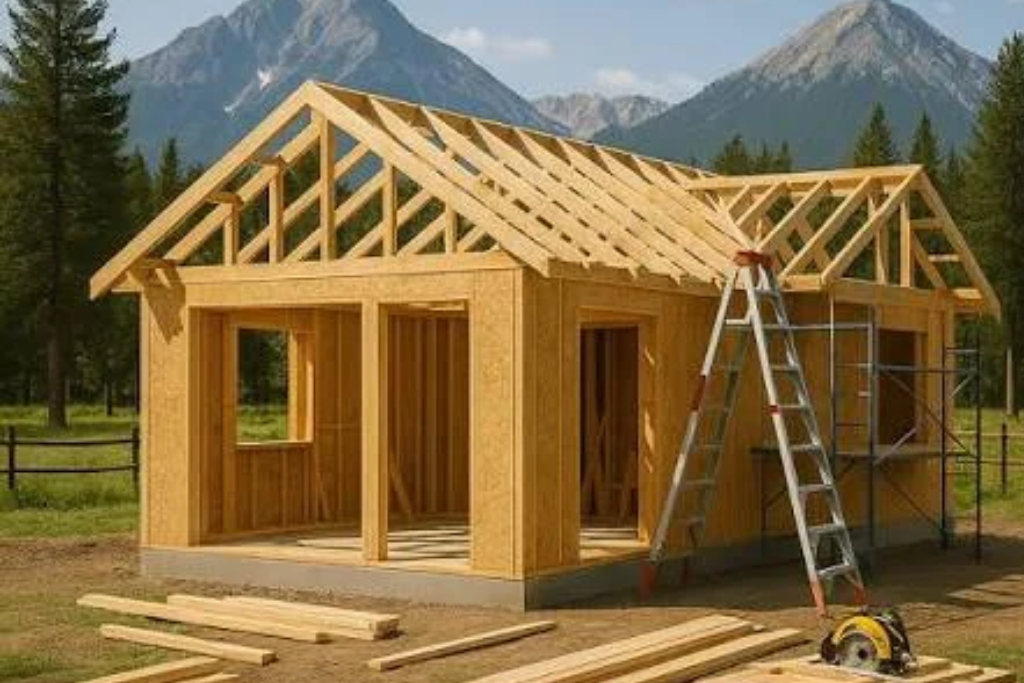
Accessory Dwelling Units have become one of the most popular ways Southern California homeowners can add functional living space to their properties.
Whether you’re considering a private space for aging parents, a home for adult children, a guest house, additional long-term housing, or simply want to maximize the potential of your property, building an ADU in Los Angeles or Orange County can be an attractive option.
But building an ADU isn’t as simple as choosing a floor plan and hiring someone to build it.
California has significantly expanded laws supporting ADU development, while individual cities and jurisdictions may still have requirements affecting design, permitting, utilities, building codes, fire safety, and construction.
At Concierge Home Remodeling, we help Southern California homeowners navigate the ADU process from planning and design through permitting and construction.
What Is an ADU?
An Accessory Dwelling Unit, commonly called an ADU, is an independent residential unit located on the same property as a primary residence.
You may also hear ADUs called:
- Granny flats
- In-law suites
- Backyard homes
- Guest houses
- Secondary dwelling units
- Garage conversion ADUs
A properly designed ADU provides independent living facilities, generally including areas for living, sleeping, cooking, and sanitation.
What Types of ADUs Can You Build in California?
Depending on your property and local requirements, several types of ADUs may be possible.
Detached ADU
A detached ADU is a separate structure from the primary residence.
This option is popular with homeowners who have sufficient backyard space and want greater separation between the main residence and ADU.
Attached ADU
An attached ADU connects directly to the existing home while functioning as an independent living space.
Garage Conversion ADU
An existing attached or detached garage may potentially be converted into an ADU.
Garage conversions can be attractive because they repurpose an existing structure rather than starting with completely unused land.
Conversion ADU
Other qualifying portions of an existing property may sometimes be converted into an ADU, depending on the structure and applicable regulations.
Junior ADU
A Junior Accessory Dwelling Unit, or JADU, is generally limited to 500 square feet and is created within an existing or proposed single-family residence. JADUs have different requirements from full ADUs and may share certain facilities with the primary residence.
Understanding California ADU Laws
California has passed numerous laws intended to make ADUs easier for homeowners to develop.
Under current California ADU law, local agencies generally use a ministerial approval process for qualifying ADUs. This means applications meeting objective requirements can generally be reviewed without the type of discretionary hearing associated with many other development projects.
State law also establishes important protections regarding ADU size, parking, application review, and certain fees.
However, state ADU law does not mean every property or project is identical.
Local regulations and property conditions still matter. Your property’s zoning, lot configuration, existing structures, utility connections, fire requirements, easements, coastal considerations, and other conditions may affect the final design and permitting process.
That’s why we recommend evaluating the individual property before assuming what can be built.
How Big Can an ADU Be in California?
ADU size depends on the type of ADU, property, design, and applicable regulations.
California law provides important minimum protections for ADU development. Local agencies generally cannot establish a maximum ADU size below 850 square feet for a studio or one-bedroom ADU or 1,000 square feet for an ADU containing more than one bedroom.
State law also protects the ability to construct certain ADUs of up to 800 square feet, subject to applicable requirements.
That doesn’t automatically mean 800, 850, or 1,000 square feet is the right design for your property.
A good ADU design should consider how much space you actually need, how the unit relates to the main residence, privacy, natural light, outdoor space, construction costs, and how the property will function after construction.
Do You Need Parking for an ADU?
Parking is one of the most common questions homeowners ask when considering an ADU.
California law includes several circumstances where local agencies cannot require additional parking for an ADU.
One especially important rule applies to garage conversions: when qualifying existing parking structures are converted into ADUs, local agencies generally cannot require homeowners to replace those lost off-street parking spaces.
Parking requirements can still depend on the type and circumstances of the project, so the specific property should be reviewed during planning.
How Long Does ADU Approval Take?
California law generally requires local agencies to approve or deny a complete ADU application within 60 days, subject to the circumstances provided under state law.
That doesn’t necessarily mean your entire ADU contractor Los Angeles will be designed, permitted, and constructed within 60 days.
Architectural planning, engineering, corrections, utility coordination, permit issuance, site preparation, and construction all contribute to the overall project timeline.
A realistic ADU schedule should account for the complete process, not simply the statutory review period.
ADU Construction in Los Angeles County
Los Angeles County contains dozens of cities and several unincorporated communities, meaning ADU requirements can vary depending on exactly where the property is located.
The City of Los Angeles, for example, maintains specific ADU development standards and permitting resources.
Properties in areas such as Los Angeles, Encino, Sherman Oaks, Woodland Hills, Tarzana, Studio City, Northridge, Granada Hills, Pasadena, Glendale, Beverly Hills, West Los Angeles, and surrounding communities may therefore involve different local departments or requirements.
Before designing an ADU, it’s important to identify the correct jurisdiction for the property.
ADU Construction in Orange County
The same principle applies throughout Orange County.
An ADU contractor Los Angeles project in Irvine may not go through exactly the same local process as a project in Anaheim, Huntington Beach, Newport Beach, Costa Mesa, Orange, Fullerton, Mission Viejo, or another Orange County community.
California ADU law provides the statewide framework, while local jurisdictions administer building permits and may apply qualifying objective standards and other applicable codes.
A contractor familiar with Southern California construction can help homeowners understand how these different layers affect the project.
What Goes Into Building an ADU?
A successful ADU project typically involves much more than construction alone.
The process may include:
Property Evaluation
Understanding the lot, existing structures, access, utilities, and possible ADU locations.
Design & Space Planning
Developing a layout that maximizes the available square footage while keeping the unit comfortable and functional.
Plans & Engineering
Preparing architectural and structural documentation necessary for permitting and construction.
Permit Coordination
Submitting plans to the appropriate jurisdiction and addressing required corrections or approvals.
Site Preparation & Construction
Preparing the site and completing foundation, framing, roofing, plumbing, electrical, HVAC, insulation, drywall, finishes, and other construction.
Kitchen & Bathroom Construction
Creating complete residential spaces with cabinetry, countertops, plumbing fixtures, appliances, showers, tile, and other finishes.
Final Inspections
Completing applicable inspections and project closeout.
What Should You Consider Before Building an ADU?
Start by asking yourself what you want the ADU to accomplish.
Are you creating housing for parents?
Do you want independent space for an adult child?
Are you planning for future flexibility?
Do you need one bedroom or two?
Would converting the garage make more sense than constructing a detached ADU?
The answer affects everything from size and placement to finishes and budget.
We also recommend thinking long-term. A thoughtfully designed ADU should complement the existing property rather than feel like an afterthought squeezed into the backyard.
Why Work With an Experienced ADU Contractor?
ADUs combine many different disciplines: design, structural work, utilities, plumbing, electrical, HVAC, kitchens, bathrooms, roofing, foundations, permitting, and finish construction.
That makes choosing the right ADU contractor in Los Angeles or Orange County especially important.
A contractor should help you understand the entire scope of work not simply quote the visible construction.
At Concierge Home Remodeling, our goal is to help homeowners approach ADU construction as a complete project, from initial planning through the finished living space.
Build More From the Property You Already Own
You may have more usable space on your property than you realize.
Whether you’re considering a detached ADU, attached ADU, garage conversion, or complete property renovation, understanding your options is the first step.
If you’re looking for an experienced ADU contractor in Los Angeles or Orange County, contact Concierge Home Remodeling to discuss your property and goals.
We’ll help you evaluate your options and create a plan for turning unused or underused space into a beautiful, functional addition to your home.